
Vienna, VA Neighborhood Guide: Understanding the Four Quadrants
Northwest, Northeast, Southwest or Southeast: each part of Vienna offers a different mix of walkability, lot size, new construction and commute. Here’s how I’d compare them, and why the individual street can matter just as much as the quadrant.

Not Every Part of Vienna Feels the Same
One of the first things to understand when looking for a home in Vienna is that not every part of Vienna feels the same.
Locals often describe where they live by quadrant: Northwest, Northeast, Southwest or Southeast Vienna. Maple Avenue runs through the center of town and serves as one of the main reference points.
But the quadrants are really just a starting point.
Vienna can change surprisingly quickly from one street to the next. You can be within a few minutes’ walk of restaurants and shopping on Maple Avenue, turn onto a residential street, and suddenly feel like you’re in a completely different neighborhood.
That’s one of the things I like most about living here.
The right part of Vienna really depends on what you’re looking for. Some buyers prioritize walking into town. Others want a larger lot. Some care more about Metro access or getting into Tysons quickly. And buyers looking for an older home to renovate or tear down may approach Vienna completely differently.
Here are some of the things I think are actually useful to understand when comparing different parts of town.
How Vienna's Quadrants Work
Vienna is generally divided into four quadrants:
- Northwest Vienna
- Northeast Vienna
- Southwest Vienna
- Southeast Vienna
While some people may have preferences or opinions about different parts of town, I don’t think there is one quadrant that is universally “better” than another. Each offers a slightly different combination of housing, lot size, walkability and access.
There can also be significant variation within the same quadrant.
That’s why I wouldn’t choose a Vienna home based on the quadrant alone.

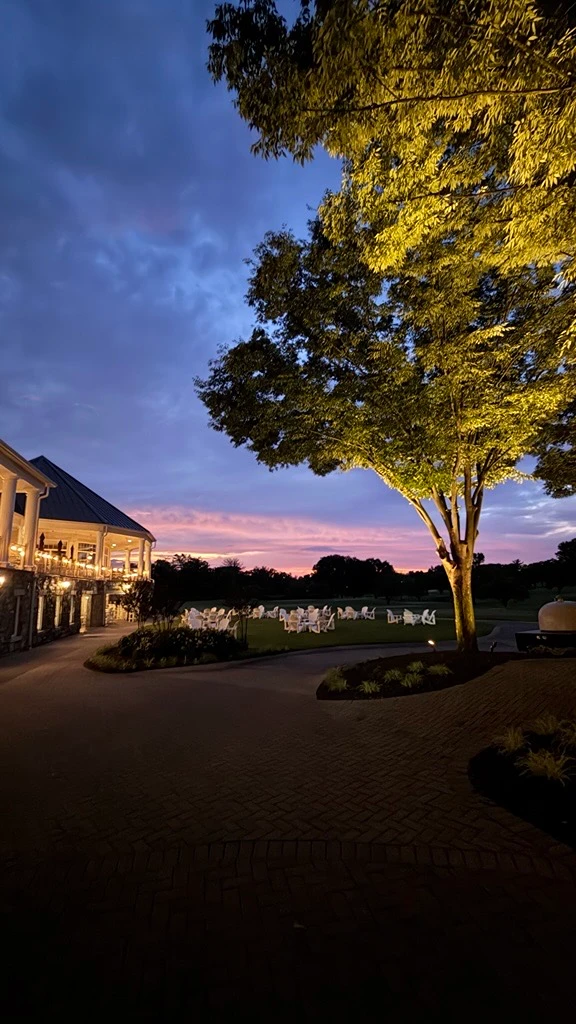
Northwest Vienna
Northwest Vienna has some areas that feel particularly established to me, especially as you get toward Madison High School.
You’ll find a mix of older homes and newer construction, and like almost everywhere in Vienna, redevelopment continues as older properties are purchased, renovated or replaced.
Depending on where you are in Northwest, you can still be very close to the center of town while having a more traditional residential neighborhood feel.
Access toward Nutley Street can also make this part of Vienna convenient for getting to I-66 and the Vienna Metro.
Northeast Vienna
Northeast Vienna offers an interesting combination of access to town and proximity toward Tysons.
There are larger lots in parts of Northeast, along with quite a bit of newer construction and redevelopment.
Depending on the specific location, you’re also positioned well for getting toward Route 123, Tysons or the Vienna Metro.
As you get farther north and east, it’s important to pay attention to the actual Town boundary. There are properties with Vienna mailing addresses that are outside the incorporated Town of Vienna, which can have implications for Town taxes and services.
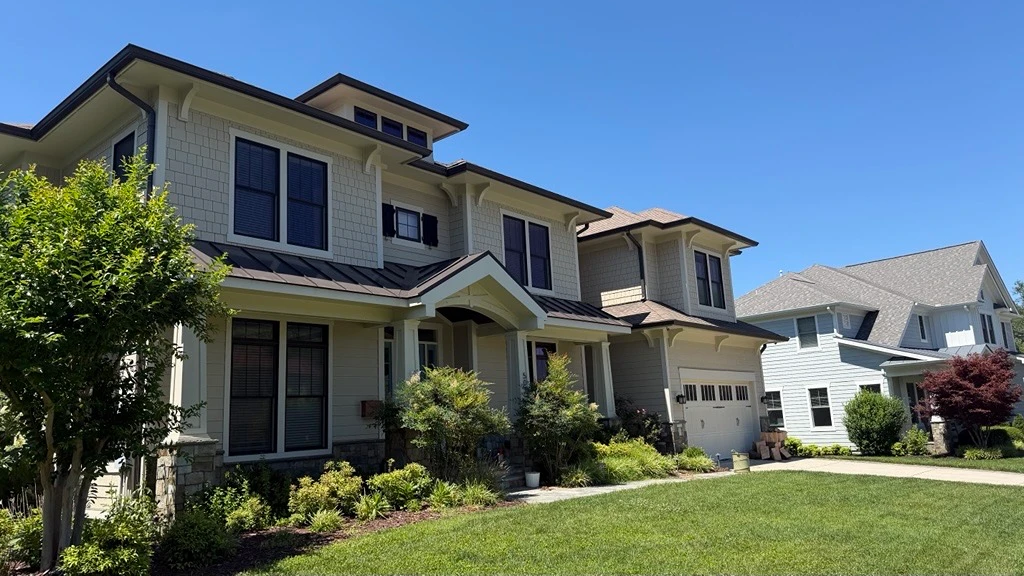
Southwest Vienna
Southwest Vienna has its own mix of established homes, newer construction and redevelopment.
Location within the quadrant makes a big difference. Some properties provide relatively easy access into the center of town, while others can position you conveniently for commuting to Falls Church or Fairfax.
As with the other quadrants, buyers shouldn’t look at “Southwest Vienna” as a single type of neighborhood. Lot size, traffic patterns and proximity to major streets can vary significantly even within a relatively small area.
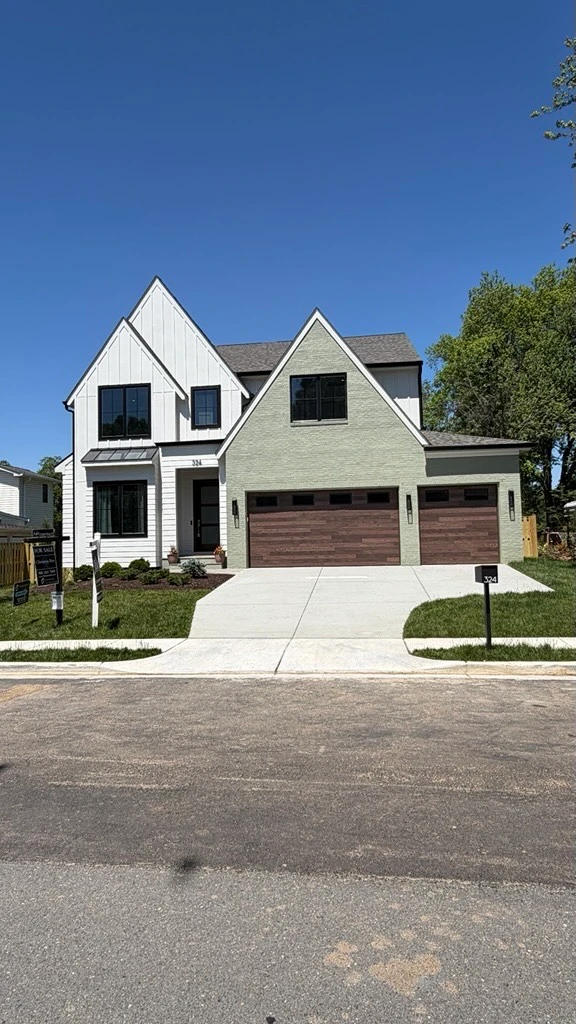
Southeast Vienna
Southeast Vienna is another part of town where you’ll find larger lots in certain areas, along with a significant amount of redevelopment and new construction.
Location is one of the advantages here. Depending on where you are, you can be convenient to Westwood Country Club and routes leading toward Tysons, while still having easy access back into the center of Vienna. For commuters, being farther east can also make getting to Tysons and other major employment centers easier.
Southeast also illustrates something important about buying anywhere in Vienna: the individual street can matter as much as the quadrant.
A quiet interior street can feel completely different from a nearby road that sees significantly more commuter traffic. That is why it is worth spending time in the immediate neighborhood, not just looking at the location on a map.

Walkability: How Close Do You Want to Be to Maple Avenue?
For me, this is one of the biggest decisions when choosing where to live in Vienna.
I like being close to Maple Avenue because I want to be able to walk places.
Our family can walk to school, grocery stores, restaurants, ice cream and community events. We can also easily access the W&OD Trail.
But not everyone values that as much as we do.
A simple way I describe Vienna is:
The closer you get to Maple Avenue, the more “town” it tends to feel. The farther away you go, the more suburban it tends to feel.
What’s interesting is how quickly that transition can happen.
You can be just a few hundred yards from shopping and restaurants, cross a street or two, and feel like you’re firmly inside a residential neighborhood.
Generally, combining a great location near town with a larger lot is going to come at a premium. Buyers often have to decide which characteristics matter most rather than expecting to get everything on their wish list.
Lot Size and New Construction
Lot size is a major consideration in Vienna, particularly if you’re looking at older homes or thinking about eventually building.
A lot of Vienna’s housing consists of detached single-family homes on roughly quarter-acre to half-acre lots, although you’ll find both smaller and substantially larger properties.
In my experience, larger lots are particularly desirable and increasingly difficult to find.
That’s part of what’s driving Vienna’s redevelopment.
Teardowns aren’t isolated to one neighborhood anymore. You’ll see them throughout town as builders and buyers acquire older properties and replace them with larger new homes.
If you’re specifically looking for a teardown opportunity or want to build a custom home, the process can be very different from a normal home search. Builders often acquire desirable lots directly, so some opportunities never make it to the traditional resale market.

Commuting From Different Parts of Vienna
There isn’t one quadrant that works for every commute.
If you’re regularly heading toward D.C., I-66 or the Vienna Metro, access to Nutley Street and the southern side of Vienna may matter.
If you’re commuting into Tysons, being positioned closer to Route 123 or having convenient access toward the Silver Line may be more important.
But there is another factor that maps don’t always capture: traffic patterns within Vienna itself.
Maple Avenue gets congested during rush hour, and roads like Park Street and Tapawingo Road can carry significant traffic as well.
That’s why I wouldn’t evaluate a house only by plugging the address into a commute calculator.
What Zillow Can't Tell You About a Vienna Neighborhood
This may be the most important advice I can give someone comparing homes in Vienna.
Spend some time on the actual street.
A house can look perfect online, but an algorithm isn’t necessarily going to tell you that the quiet street you visited at 11 a.m. becomes a commuter cut-through at 5 p.m.
The same applies to proximity.
Being close to Maple Avenue may be a huge advantage if you want to walk into town. Someone else may prefer being farther away and having a quieter, more suburban setting.
School boundaries can also change within a surprisingly short distance. Buyers for whom a particular school assignment is important should always verify the current boundary directly with Fairfax County Public Schools rather than relying solely on a real estate website or listing.
Those little details are why local knowledge matters.
So, Which Part of Vienna Should You Live In?
I don’t think there is one answer.
That’s actually one of the things I like about Vienna.
If walkability is at the top of your list, you may prioritize being closer to the center of town. If you want more land, you may be willing to move farther from Maple. If you’re commuting every day, your preferred route out of Vienna might influence the decision. If you’re hoping to build, finding the right lot may ultimately determine where you land.
And sometimes the right house simply comes up in a part of Vienna you weren’t originally considering.
Inventory, especially desirable lots and homes in the Town of Vienna, can be limited. I’d rather find a great property that fits the way you want to live than get overly focused on having to be in one particular quadrant.
That’s ultimately the best way to think about Vienna’s neighborhoods: start with the lifestyle you want, then figure out which locations give you the best combination of the things that matter to you.

More About Living in Vienna
If you’re considering a move to Vienna, we’ve created additional resources based on our own experience living, building and raising our family here.